Understanding Bluffing Basics
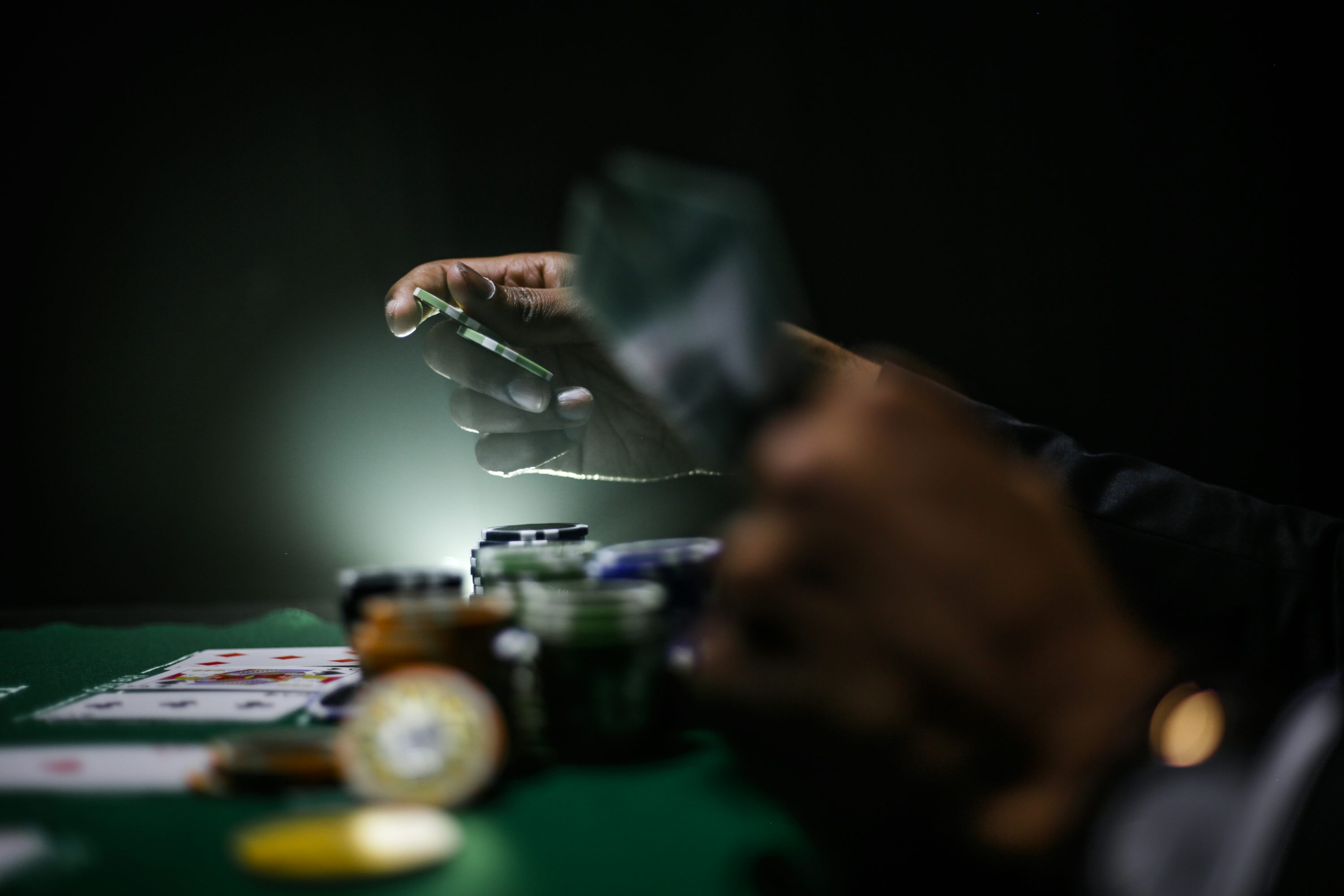
Bluffing is a fundamental aspect of poker that can significantly influence the outcome of a hand. At its core, bluffing involves convincing your opponents that your hand is stronger than it actually is. By adopting a strategically deceptive approach, a player can induce their opponents to fold superior hands. Essential to successful bluffing is understanding the psychology of your opponents and recognizing when they might be likely to fold, which makes a quick well of strategic insight a delicate balance of risk and reward.
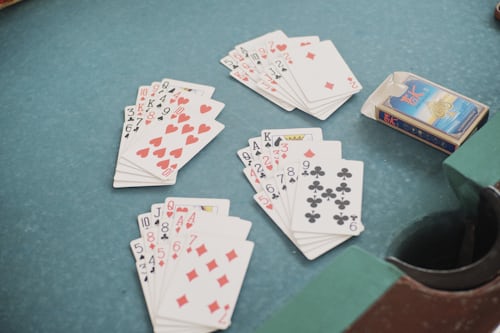
A basic understanding of pot odds and the concept of implied odds is crucial before attempting a bluff. When players face a bet, they must weigh the potential gain against the risk of losing their chips. If they believe there’s a chance that your bluff could succeed, they might fold. Bluffing isn’t just about having a weak hand; it’s about convincing others that you have strength when you don’t. Mastering this element requires keen observation and an ability to read opponents.
Different scenarios may prompt a player to bluff, from representing a strong hand after the flop to creating a story throughout the betting rounds. However, the key to successful bluffing lies in timing and frequency. Frequent bluffing can lead to predictability, while rare, well-timed bluffs can earn respect and add a powerful tool to a player’s arsenal. The ability to adapt to the dynamics of a table can make the art of bluffing both an effective and exhilarating strategy.
Reading Opponents’ Reactions
Being able to read your opponents effectively is vital in poker, especially when it comes to bluffing. Players often exhibit specific behavioral cues or ‘tells’ when they are in a favorable or unfavorable position. Observing these tells can give you insight into how confident your opponents feel about their hands. For example, nervous habits, such as fidgeting or avoiding eye contact, may suggest that an opponent is unsure about their hand, which can be an opportune moment to initiate a bluff.
Additionally, the betting patterns displayed by opponents can offer critical information. If a player who typically plays conservatively suddenly makes a large bet, it might indicate a powerful hand. Conversely, if they appear hesitant or delay their decision, they could be weak and susceptible to a bluff. Understanding the context of their actions in relation to the game’s progression is essential for effective bluffing.
Moreover, it’s important to consider the personality types of your opponents. Some players thrive under pressure, while others may crumble when faced with uncertainty. Tailoring your bluffing strategy to exploit your opponents’ characteristics can yield considerable advantages. Advanced players will often change their style to confuse their opponents, adding an extra layer of complexity to the psychological warfare of poker.
Situational Bluffing Strategies
The context in which you attempt to bluff can determine its success. For instance, bluffing in earlier betting rounds can be more effective when there’s less information available. When you represent a strong hand early on, your opponents may have less concrete data to gauge their own standing, making them more likely to fold. Conversely, bluffs in the later rounds, where the action has intensified, require more consideration, as opponents have developed their hands and strategies.
Position at the table also plays a significant role in deciding when to bluff. Players in late positions have the advantage of observing how others act before making their own decisions. This knowledge can be harnessed to bluff effectively against players who appear to be weak or hesitant. Furthermore, the number of opponents still in the hand can influence your decision; fewer opponents lead to a higher chance that your bluff will succeed, as the odds of running into strong hands diminish.
Moreover, consider the texture of the board when deciding to bluff. A board that presents multiple straight or flush possibilities can complicate your bluff, as opponents may feel more compelled to call you. In contrast, a dry board with few connecting cards is more conducive to a successful bluff, as your opponents may perceive less threat. Understanding how board structure influences opponent perceptions is integral to executing successful bluffing strategies.
Perfecting Your Bluffing Technique
The art of bluffing requires practice and can be perfected through careful analysis of one’s own games as well as those of others. One effective way to refine your bluffing technique is to review past hands and assess where your bluffs succeeded or failed. Consider the decisions made by your opponents and whether their reactions aligned with your anticipated outcomes. This reflection can provide insights into your bluffing style and reveal areas for improvement.
Moreover, practicing with different opponents can help develop a more versatile approach to bluffing. Engaging with players of various experience levels can expose you to different strategies and styles, enhancing your adaptability. Live games often reveal more about opponents than online play due to the physical presence and behavioral cues involved. By experimenting with various bluffing techniques in different settings, you will gain a deeper understanding of how to read situations and respond accordingly.
Finally, maintaining discipline is paramount when mastering bluffing. Recognize the fine line between boldness and recklessness. Even skilled players can fall into the trap of bluffing too frequently, leading to diminished credibility at the table. Developing a clear strategy for when and how to bluff will help you maintain control over your game and ensure that your bluffs carry weight, ultimately leading to more successful outcomes.
Explore More at Our Site
For players looking to elevate their poker game, understanding the art of bluffing is essential. Our website features in-depth resources, including articles and guides that cover various aspects of poker strategy, from beginner tips to advanced techniques. Whether you’re interested in enhancing your understanding of bluffing or other essential poker tactics, we offer a wealth of information tailored to all skill levels.
Additionally, our platform provides opportunities for players to engage with a community of poker enthusiasts. Sharing experiences, discussing strategies, and learning from one another is invaluable in the journey to mastering poker. Join us to stay updated on the latest trends in the poker world and access exclusive content designed to improve your game.
As you delve deeper into the complexities of bluffing and other poker strategies, you will find that the journey is as rewarding as the destination. Continuous learning and practice are key to becoming a proficient player. Visit our site today to embrace the enriching world of poker and sharpen your bluffing skills.